Harmo Brain Official Website / Notebook / Safety
SafetyHarmo Brain Side Effects: Warfarin, Insulin and the Liver Notes
Harmo Brain side effects are read from its label and its six ingredients, since no trial of the finished capsule is cited here. The label rules it out for anyone under 18 or pregnant or nursing, and asks anyone on a medication to consult a physician first. The ingredient notes: CoQ10 may interact with warfarin, alpha lipoic acid can lower blood sugar alongside insulin, and liver injury has been reported with some turmeric products.
The four notes
- CoQ10 and blood thinners. NCCIH lists warfarin among the medicines CoQ10 may interact with.
- Lipoic acid, CoQ10 and diabetes medicines. Lipoic acid may lower blood sugar, and NCCIH lists insulin among CoQ10's possible interactions.
- Turmeric and the liver. Liver injury has been reported with turmeric products, most notably better-absorbed ones.
- Magnesium and timing. Some antibiotics and osteoporosis medicines are taken hours apart from magnesium.
The label's own caution
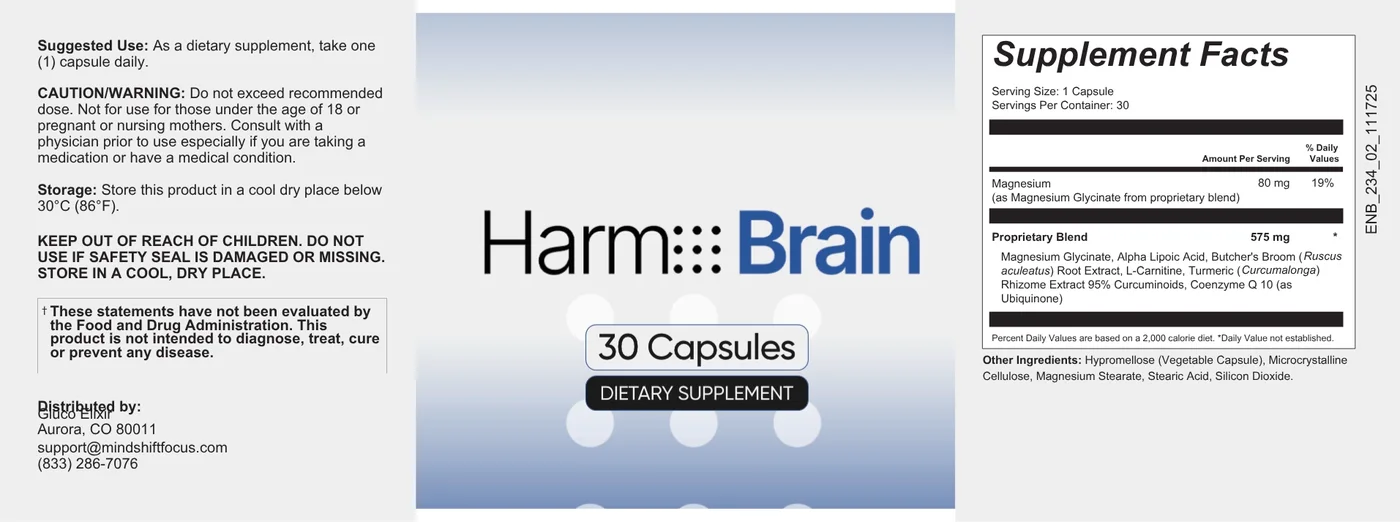
Start with the words on the bottle. The caution on the left-hand panel of the label reads, in full:
Do not exceed recommended dose. Not for use for those under the age of 18 or pregnant or nursing mothers. Consult with a physician prior to use especially if you are taking a medication or have a medical condition.
The Harmo Brain label
That caution rules two groups out entirely, anyone under 18 and anyone pregnant or nursing, and it asks everyone taking a medication to talk to a physician first. The rest of this article is the detail behind that sentence: which of the six names on the panel raise which questions, and what the sources say.
Three ways an ingredient meets a medicine
A supplement and a medicine meet in the same body, and there are three common ways one can change the other. Each of the four notes below is one of these three, which makes them easier to remember than a list of names.
| How | What happens | On this label |
|---|---|---|
| Adding to an effect | The ingredient pushes the same way as the medicine | Lipoic acid and blood sugar |
| Getting in the way | The ingredient binds the medicine or changes how it works | Magnesium with some antibiotics; CoQ10 and warfarin |
| Loading an organ | The ingredient adds work for an organ a medicine or condition already strains | Turmeric and the liver |
Sorting them this way also tells you what to do about each. An effect that adds up is watched with a number, such as blood glucose. A binding problem is solved with timing, by taking the two hours apart. An organ note is a reason to ask before starting at all. The four sections below take the notes in turn, each with the source that raises it.
CoQ10 and blood thinners
Coenzyme Q10 is the last name in the Harmo Brain blend and the smallest share by weight. On its own it has a reassuring record: NCCIH reports no serious side effects from CoQ10 supplements. The same page lists warfarin, the blood thinner, among the medicines CoQ10 may interact with (NCCIH on CoQ10).
Warfarin is a medicine where small changes in how it works matter, which is why anyone taking it is asked to mention any new supplement, whatever the amount. The same applies to other blood thinners: the conversation is short, and it belongs before the first capsule rather than after.
Lipoic acid, CoQ10 and diabetes medicines
Alpha lipoic acid is second by weight in the blend. The Linus Pauling Institute notes that lipoic acid may lower blood sugar, so glucose should be monitored when it is added to diabetes treatment (Linus Pauling Institute). NCCIH also lists insulin among CoQ10's possible interactions, so two of the six names point the same way.
There is also one published case worth knowing about, because it is so specific: a rare insulin autoimmune syndrome that began two weeks after a woman started alpha lipoic acid and resolved over fifteen months (Cappellani 2018). One case is one case; it is a reason for awareness, not alarm.
If you use insulin or take tablets for diabetes, this is the group to raise first. Two of the six names on the panel touch blood sugar.
Turmeric and the liver
The Harmo Brain turmeric is a rhizome extract standardised to 95% curcuminoids, fifth of six in the blend. NCCIH describes conventional turmeric as likely safe for two to three months, and notes that liver damage has been reported, particularly with products made to be absorbed better (NCCIH on turmeric).
The Drug-Induced Liver Injury Network described ten US cases of turmeric-associated liver injury, all since 2011: five people were hospitalised and one died, and three of the seven products tested also contained black pepper extract, piperine (Halegoua-DeMarzio 2023).
The Harmo Brain panel lists no piperine or other absorption partner. Anyone with a liver condition, or anyone taking a medicine that affects the liver, should still raise the turmeric before starting.
Harmo Brain, with the label in your hand
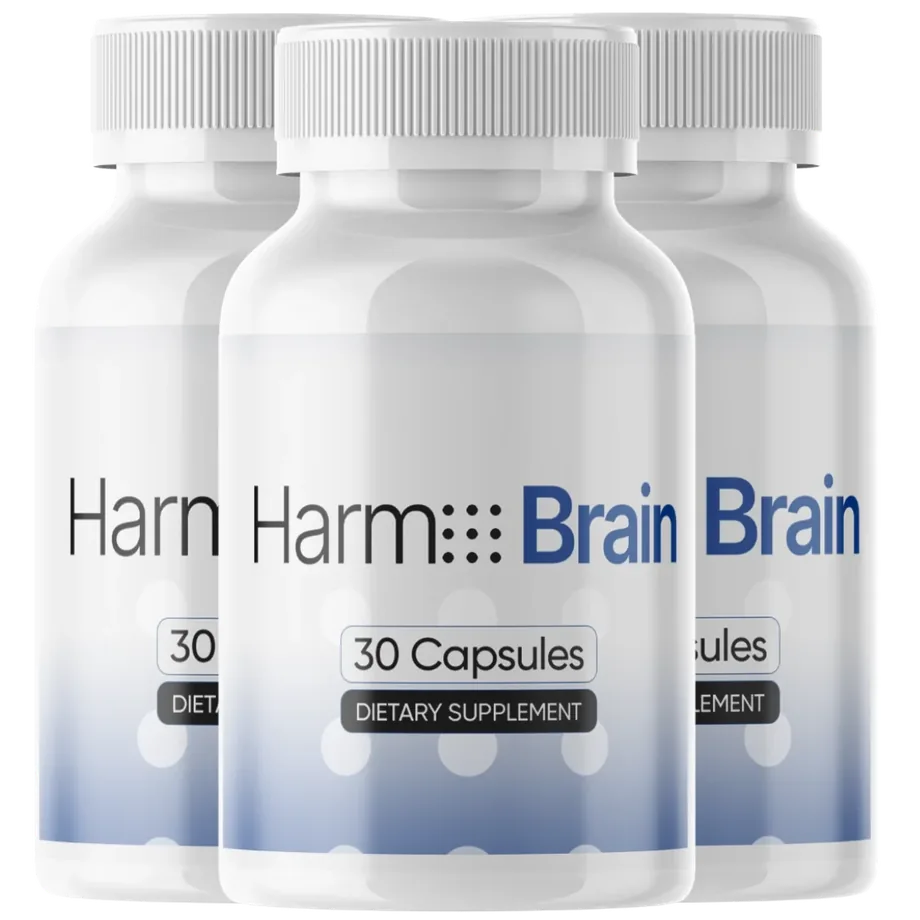
Six named materials, printed on every bottle: 80 mg of magnesium within a 575 mg blend. One capsule a day, with a 60-day money-back guarantee.
Order Harmo BrainMagnesium and the timing of some medicines
Magnesium can bind some medicines in the gut and reduce how much is absorbed. The NIH magnesium fact sheet advises taking tetracycline or quinolone antibiotics at least two hours before or four to six hours after a magnesium-containing supplement, and keeping oral bisphosphonates, used for osteoporosis, two hours apart from it.
At 80 mg a capsule this is a timing note rather than a reason to avoid the capsule: take it at a different time of day from those medicines. The magnesium itself is covered in 80 mg of magnesium as glycinate.
All four, side by side
| Medicine or condition | Ingredient | What the source says |
|---|---|---|
| Blood thinners such as warfarin | Coenzyme Q10 | NCCIH lists the blood thinner warfarin among the medicines CoQ10 may interact with. |
| Insulin and other diabetes medicines | Alpha lipoic acid and CoQ10 | Lipoic acid may add to the glucose-lowering effect of insulin or diabetes tablets, so blood glucose is watched when it is added, and NCCIH lists insulin among CoQ10’s possible interactions. |
| A liver condition | Turmeric extract | Liver injury has been reported with turmeric products, and NCCIH singles out the formulations made to be absorbed better. |
| Some antibiotics and osteoporosis medicines | Magnesium | Magnesium can bind some antibiotics and bisphosphonates, so the two are usually taken hours apart. |
How to raise it before the first capsule
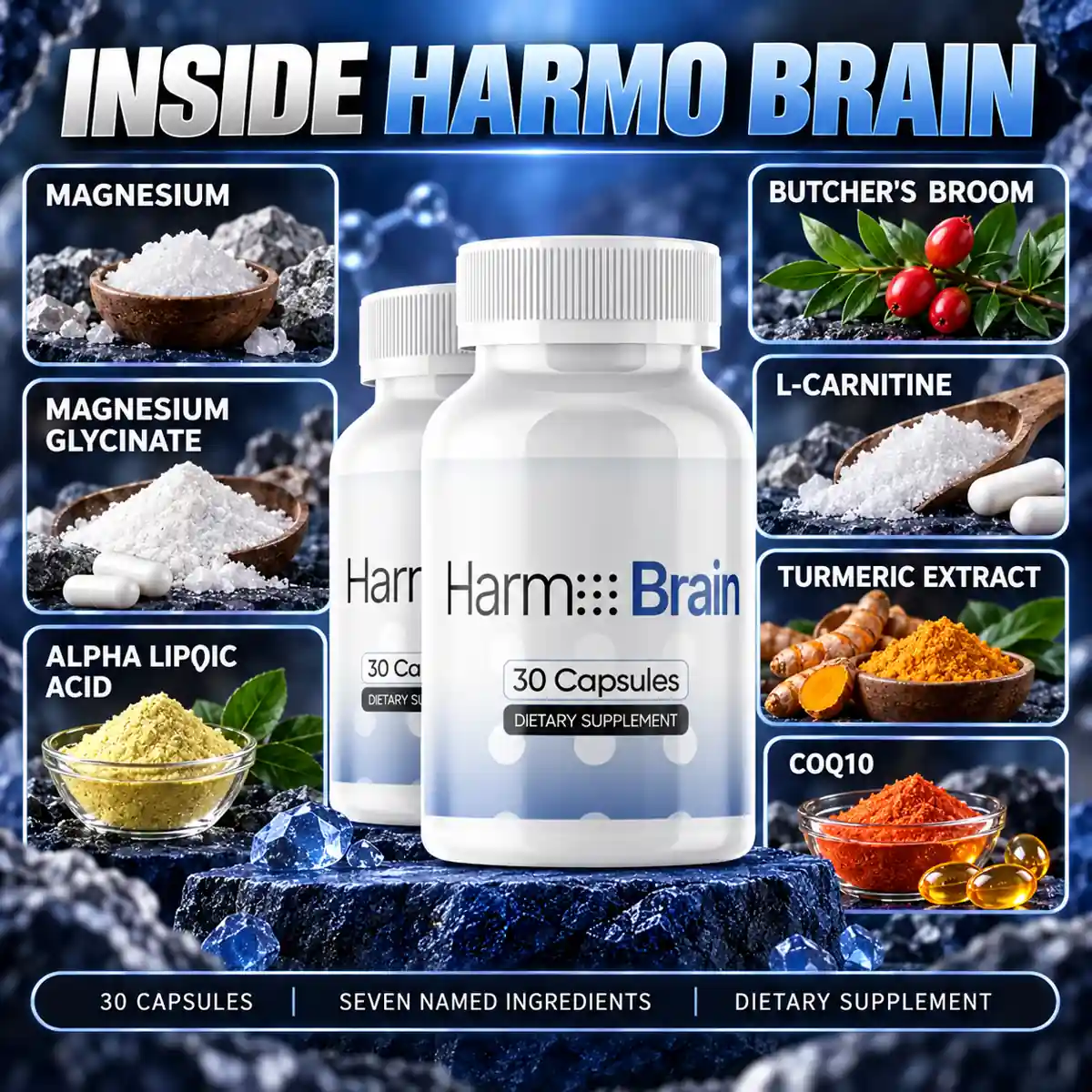
- Take the bottle, or a clear photo of the Supplement Facts panel, to the appointment or the pharmacy counter.
- List every medicine and supplement you already take, including anything bought without a prescription.
- Say the dose: one capsule a day, with 80 mg of magnesium and a 575 mg blend of six named materials.
- Ask whether the timing of any medicine should move, especially an antibiotic or an osteoporosis tablet.
- Ask what, if anything, you should watch for in the first weeks.
The same four notes, with what to do about each, are on the Harmo Brain side effects and safety page, and the who it is for page sets out the groups the label is written for.
Three questions, answered
Can I take Harmo Brain if I take warfarin?
That is a question for whoever manages the warfarin, and it is exactly the one the label's caution is written for. Take the panel with you; CoQ10 is the name to point to.
Will 80 mg of magnesium affect my antibiotic?
It can, if the two are taken together and the antibiotic is a tetracycline or a quinolone. The fix is timing: the antibiotic two hours before the magnesium, or four to six hours after it.
Is the turmeric in Harmo Brain the better-absorbed kind?
It is a rhizome extract standardised to 95% curcuminoids, and the panel lists no piperine or other absorption partner. NCCIH's liver concern is sharpest for formulations made to be absorbed better, but anyone with a liver condition should raise any turmeric product first.
After the first capsule
The conversation before the first capsule is the important one, but it is worth keeping a short note afterwards too. If you take a medicine that is monitored with a number, such as blood glucose on diabetes treatment or a clotting test on warfarin, and that number moves after you start, tell the person who monitors it and mention the capsule.
- Keep the day-one date written down, so any change can be placed in time.
- Keep taking medicines at their usual times, and move only the magnesium where timing matters.
- Stop and ask if anything unexpected happens; the 60-day guarantee means stopping costs nothing but the return postage.
Who the label rules out
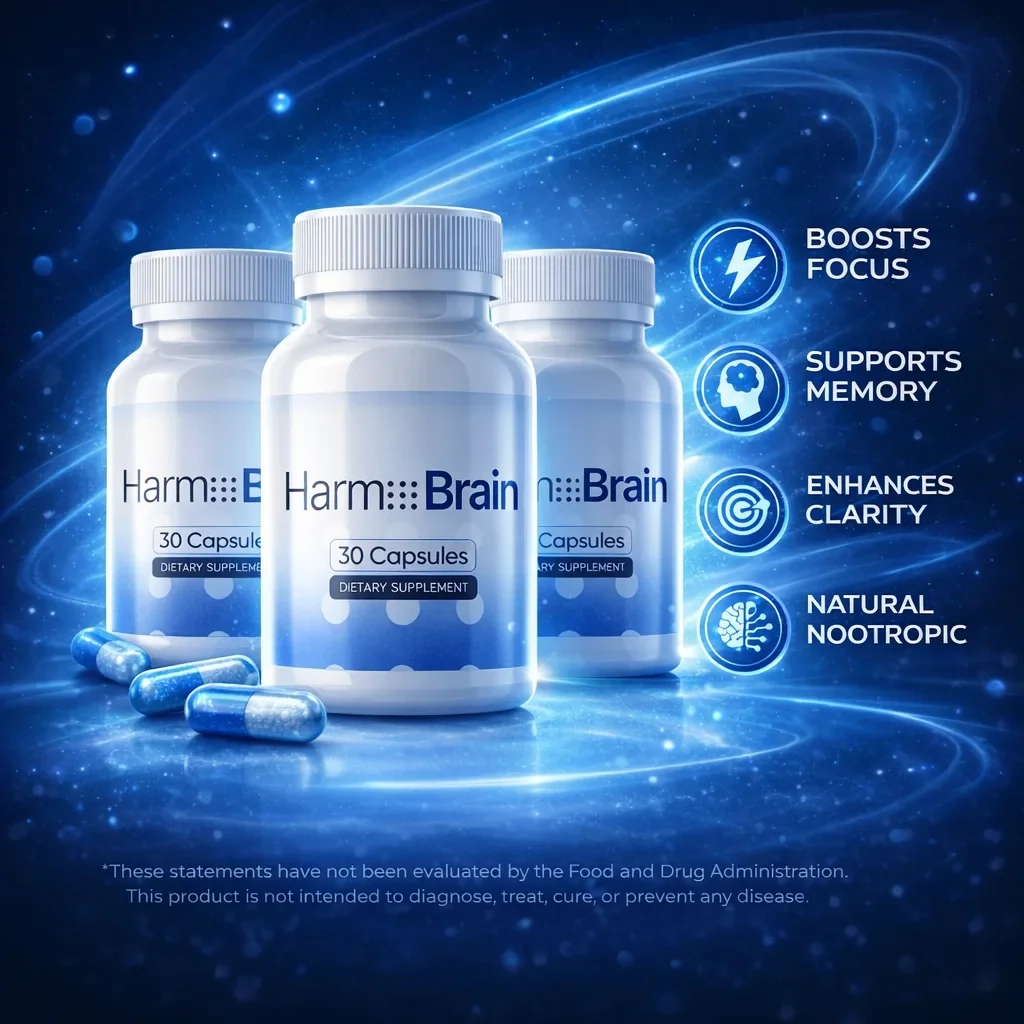
The label settles two groups without any conversation: it is not for anyone under the age of 18, and not for pregnant or nursing mothers. It also asks that nobody exceed the recommended dose of one capsule a day.
If you are unsure whether a medicine you take belongs in one of the four groups above, the pharmacist who dispenses it can usually tell you at the counter, with the label in front of them. It is a two-minute question, and it is the right order of events: the conversation first, the capsule after.
Harmo Brain is a dietary supplement, not a medicine. Nothing in this post describes it as treating, preventing or slowing any condition. A change in memory, energy or concentration that worries you is a reason to be assessed, not a reason to start a capsule.
Sources cited in this article
- NIH Office of Dietary Supplements. Magnesium: Fact Sheet for Health Professionals. https://ods.od.nih.gov/factsheets/Magnesium-HealthProfessional/
- Linus Pauling Institute Micronutrient Information Center. Lipoic Acid. Oregon State University. https://lpi.oregonstate.edu/mic/dietary-factors/lipoic-acid
- Cappellani D, Sardella C, Campopiano MC, et al. Spontaneously remitting insulin autoimmune syndrome in a patient taking alpha-lipoic acid. Endocrinol Diabetes Metab Case Rep. 2018;2018:EDM180122. PMID 30532997. https://pubmed.ncbi.nlm.nih.gov/30532997/
- National Center for Complementary and Integrative Health. Turmeric. National Institutes of Health. https://www.nccih.nih.gov/health/turmeric
- Halegoua-DeMarzio D, Navarro V, Ahmad J, et al. Liver Injury Associated with Turmeric-A Growing Problem: Ten Cases from the Drug-Induced Liver Injury Network [DILIN]. Am J Med. 2023;136(2):200-206. PMID 36252717. https://pubmed.ncbi.nlm.nih.gov/36252717/
- National Center for Complementary and Integrative Health. Coenzyme Q10. National Institutes of Health. https://www.nccih.nih.gov/health/coenzyme-q10