Harmo Brain Official Website / Notebook / Ingredient in depth
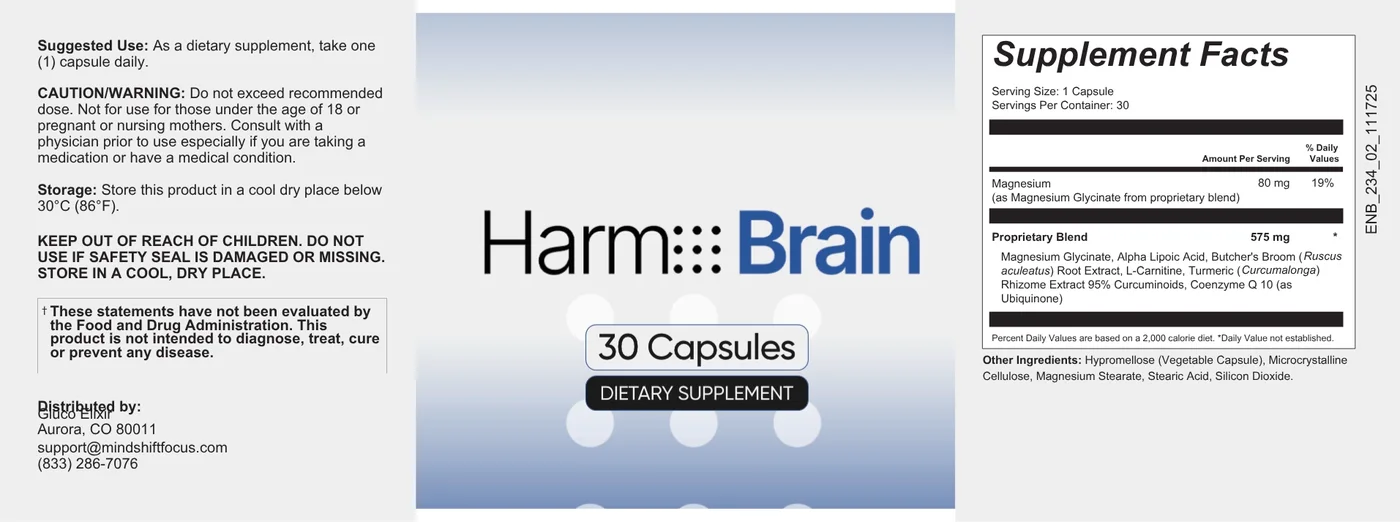
Ingredient in depth80 mg of Magnesium as Glycinate: What 19% of the Daily Value Buys
One row on the panel carries its own number. Here is what 80 mg of magnesium comes to for different adults, what it looks like on a plate, and where it sits under the upper limit.

The short version
- 19% of 420 mg. The Daily Value for magnesium is 420 mg, and 80 mg is 19% of it.
- A quarter for some adults. Against a woman's allowance of 310 to 320 mg a day, 80 mg is about a quarter.
- An ounce of almonds. An ounce of dry-roasted almonds also carries 80 mg of magnesium, and also prints as 19% of the Daily Value.
- Well under the limit. Adults are advised not to exceed 350 mg a day of magnesium from supplements; 80 mg leaves 270 mg of room.
The one row with its own number
The Daily Value is the reference amount a Supplement Facts panel measures against, and for magnesium it is 420 mg. Eighty milligrams is 19% of that, which is the figure printed beside the magnesium row on the Harmo Brain panel.
The percentage is a yardstick, not a target. It lets you compare one label with another, and one capsule with the rest of your day, without looking up anything. Of everything on this panel, it is the one figure you can set straight against official guidance, which is what the rest of this article does.
Nineteen percent, person by person
The Daily Value is one number for everyone. The amount an adult actually needs is not. The NIH Office of Dietary Supplements sets the Recommended Dietary Allowance by age and sex, counting food, drinks and supplements together, and the same 80 mg looks different against each.
| Adults, not pregnant or nursing | Magnesium a day, all sources | One capsule's 80 mg as a share |
|---|---|---|
| Men, 19 to 30 | 400 mg | 20% |
| Men, 31 and over | 420 mg | 19% |
| Women, 19 to 30 | 310 mg | 26% |
| Women, 31 and over | 320 mg | 25% |
Allowances from the NIH Office of Dietary Supplements. The label rules out pregnancy and nursing, so those rows are left out.
So the printed 19% is the figure for a man over 30. For a woman of any adult age, one capsule covers about a quarter of the day's allowance. Neither figure says anything about how much magnesium a particular reader already gets from food, which is the number that decides whether the capsule adds much.
An ounce of almonds
Most of the day's magnesium arrives on a plate. The ODS food table lists the richest everyday sources, and one line in it matches this capsule exactly: an ounce of dry-roasted almonds carries 80 mg, printed as 19% of the Daily Value (NIH ODS).
| Food, per serving | Magnesium | Against one capsule |
|---|---|---|
| Pumpkin seeds, roasted, 1 ounce | 156 mg | About twice |
| Chia seeds, 1 ounce | 111 mg | About 1.4 times |
| Almonds, dry roasted, 1 ounce | 80 mg | The same |
| Spinach, boiled, half a cup | 78 mg | About the same |
| Cashews, dry roasted, 1 ounce | 74 mg | Slightly less |
| Black beans, cooked, half a cup | 60 mg | Three quarters |
Food figures from the NIH Office of Dietary Supplements. About 30% to 40% of the magnesium in food and drink is absorbed.
MedlinePlus adds whole grains and other legumes to the list. The comparison is a useful way to picture 80 mg: it is a snack-sized amount, delivered the same way every day, which is its practical advantage over food, whose magnesium content varies from meal to meal.
Who tends to fall short
A national survey run from 2013 to 2016 found that 48% of Americans of all ages took in less magnesium from food and drink than the average requirement for their age and sex, and that men aged 71 and over and teenagers were the most likely to fall short. Older adults also absorb less magnesium from the gut and lose more through the kidneys (NIH ODS).
None of that says any one reader is short, and a capsule is not a way of finding out. It explains why a fixed, printed daily amount is worth knowing precisely: it is the one part of the day's magnesium that does not vary.
The row tells you how much magnesium one capsule adds. Only your own diet tells you whether that is a large share of the day or a small one.
The 350 mg ceiling and your cupboard
The upper limit for magnesium from supplements and medicines is 350 mg a day for adults. Magnesium in food does not count towards it. At 80 mg, one capsule sits far below the limit, but the limit counts every supplemental source together, and some sit in the medicine cupboard rather than the vitamin shelf.
- A multivitamin and mineral tablet: check its magnesium row.
- A separate magnesium product taken for sleep, cramps or regularity.
- Antacids and laxatives that contain magnesium.
- Add the figures: the total from supplements and medicines is what the 350 mg limit applies to.
High doses of supplemental magnesium are known for loosening the stool, and the ODS fact sheet names the forms most commonly reported to do it: carbonate, chloride, gluconate and oxide. Glycinate is not on that list.
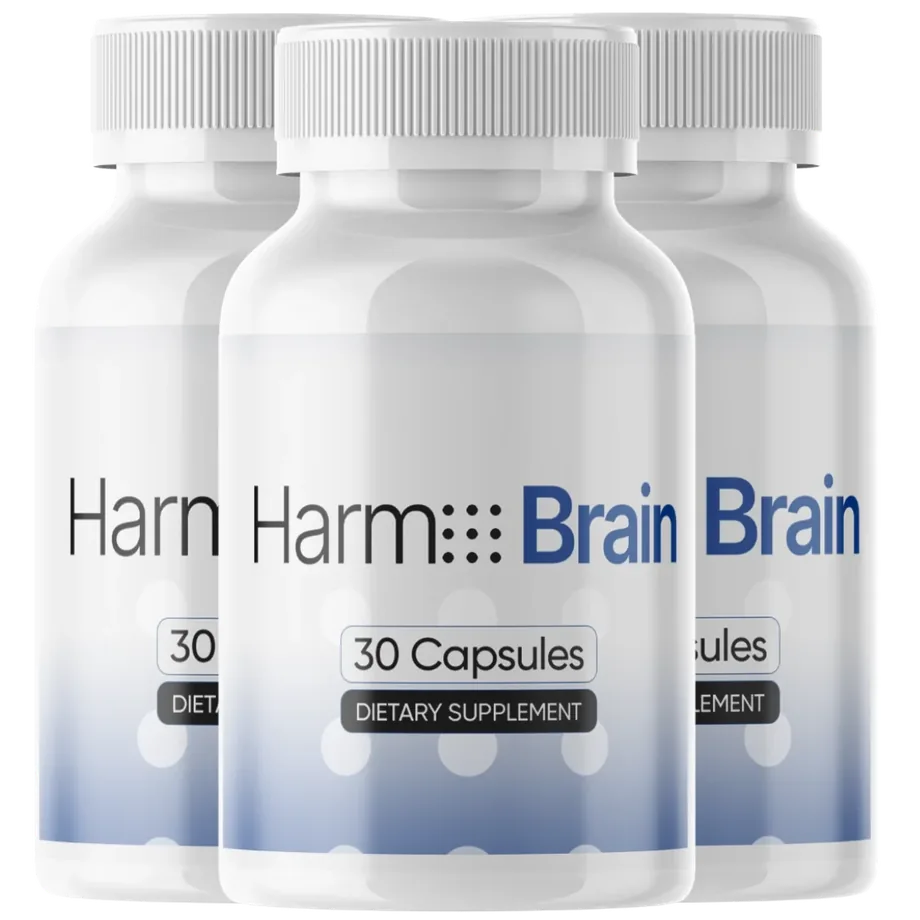
Harmo Brain, 80 mg of magnesium a day
Magnesium as glycinate, 19% of the Daily Value, within a 575 mg blend of six named materials. Thirty capsules to a bottle, with a 60-day money-back guarantee.
Order Harmo BrainWhy glycinate
Magnesium glycinate is magnesium bound to the amino acid glycine. Most of the compound's weight is glycine rather than magnesium: the pure compound is 14.1% magnesium by weight (PubChem CID 84645), which is why it fills most of the Harmo Brain blend. That arithmetic has its own article, six ingredients share 575 mg.
The clinical evidence for the form is small and specific. In a trial of 12 adults after ileal resection, a 100 mg labelled dose of magnesium diglycinate was absorbed no better overall than magnesium oxide, but it was absorbed better by the four people who absorbed least, and it was better tolerated (Schuette 1994). Those were people with part of the small intestine removed, so the result says most about tolerance and about people who absorb poorly, not about a healthy reader.
What magnesium does in the body
Magnesium is a cofactor in more than 300 enzyme systems, including those behind muscle and nerve function, and the body needs it for energy production (NIH ODS). It is the mineral half of a formula its supplier describes as mitochondrial and circulatory.
Its role in the nervous system has been reviewed in depth (Kirkland 2018). That review found the strongest data for migraine and depression, in people with those conditions. It is background on why magnesium matters to nerve cells, not evidence that 80 mg a day changes anything for a healthy adult.
Magnesium three times on one label
Magnesium appears three times on the label, and only one of them is the 80 mg. The row gives the amount. The first name in the blend, magnesium glycinate, is the compound that supplies it. And the other-ingredients line lists magnesium stearate, a processing aid that keeps the capsule fill flowing through the filling machines.
| Where | What it says | Counted in the 80 mg? |
|---|---|---|
| Magnesium row | Magnesium 80 mg, 19% DV | It is the 80 mg |
| First name in the blend | Magnesium Glycinate | Yes: the compound the 80 mg comes from |
| Other ingredients | Magnesium Stearate | No: a processing aid |
A bottle, a pack, a half-year
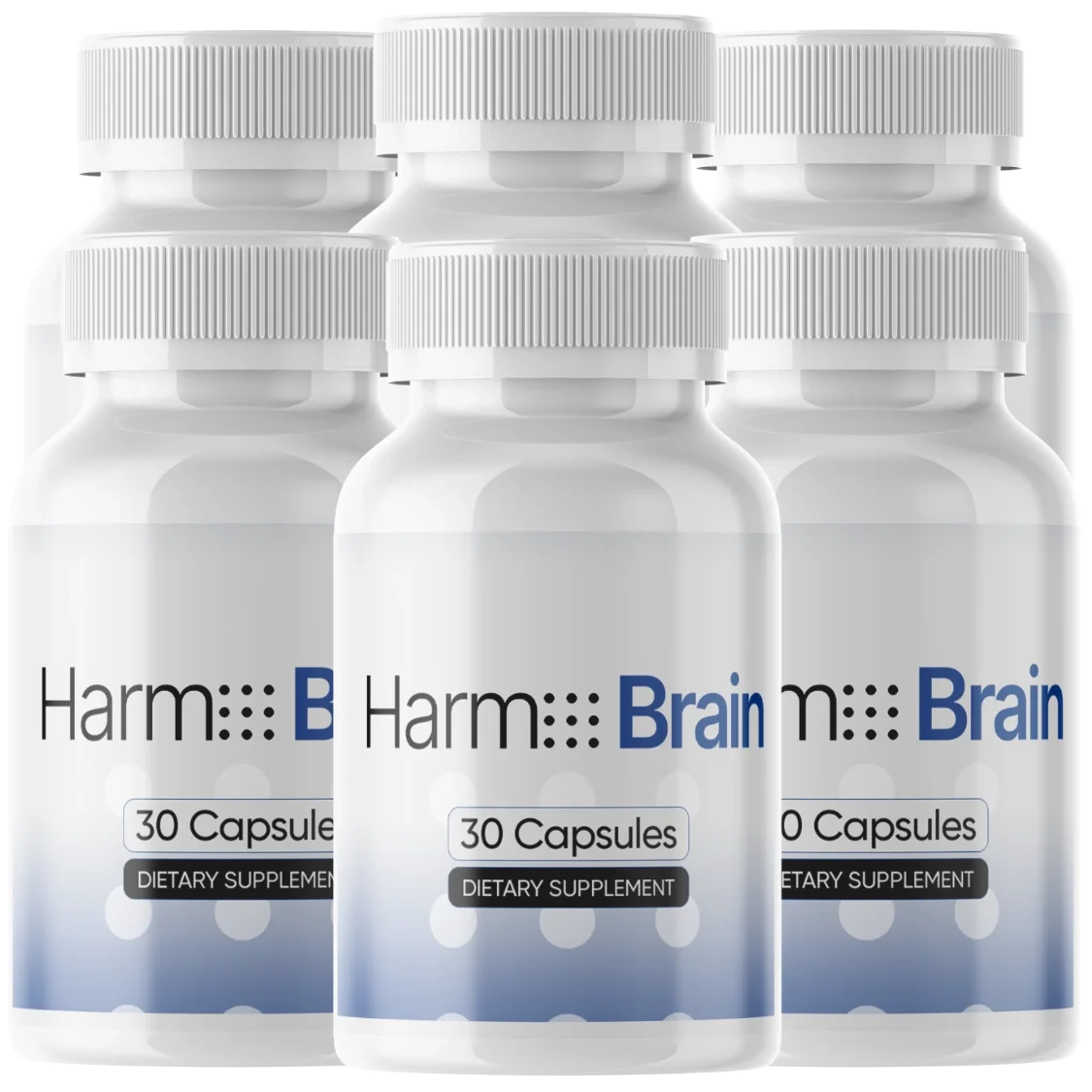
At one capsule a day, a 30-capsule bottle holds 2,400 mg of magnesium spread over a month. The packs scale that in whole bottles: 4,800 mg over 60 days in two bottles, 7,200 mg over 90 days in three and 14,400 mg over six months in six. The daily figure never changes, which is the point: 80 mg is the amount on day one and on day 180.
Timing around some medicines
Magnesium can bind some medicines in the gut. The NIH fact sheet advises taking tetracycline and quinolone antibiotics at least two hours before or four to six hours after a magnesium-containing supplement, and keeping oral bisphosphonates, used for osteoporosis, two hours apart from it.
Magnesium is one of four ingredients on this label with a medicine note. All four are set out, with their sources, in warfarin, insulin and the liver and on the side effects and safety page.
What 80 mg can and cannot tell you
It tells you exactly how much magnesium one capsule adds to your day, in which form, and how that compares with your allowance, a handful of almonds and the upper limit. Few figures on any supplement label are as clear.
It cannot tell you what the other five names in the blend contribute, because the panel gives them one shared total. For those, read the Harmo Brain ingredients page, and compare the packs on the pricing page when you are ready.
Harmo Brain is a dietary supplement, not a medicine. Nothing in this post describes it as treating, preventing or slowing any condition. A change in memory, energy or concentration that worries you is a reason to be assessed, not a reason to start a capsule.
Sources cited in this article
- NIH Office of Dietary Supplements. Magnesium: Fact Sheet for Health Professionals. https://ods.od.nih.gov/factsheets/Magnesium-HealthProfessional/
- MedlinePlus Medical Encyclopedia. Magnesium in diet. U.S. National Library of Medicine. https://medlineplus.gov/ency/article/002423.htm
- Kirkland AE, Sarlo GL, Holton KF. The Role of Magnesium in Neurological Disorders. Nutrients. 2018;10(6):730. PMID 29882776. https://pubmed.ncbi.nlm.nih.gov/29882776/
- Schuette SA, Lashner BA, Janghorbani M. Bioavailability of magnesium diglycinate vs magnesium oxide in patients with ileal resection. JPEN J Parenter Enteral Nutr. 1994;18(5):430-5. PMID 7815675. https://pubmed.ncbi.nlm.nih.gov/7815675/
- National Center for Biotechnology Information. PubChem Compound Summary for CID 84645, Magnesium Glycinate (C4H8MgN2O4, 172.42 g/mol). https://pubchem.ncbi.nlm.nih.gov/compound/84645