
Label arithmetic · 8 min read
Six Ingredients Share 575 mg: The Arithmetic of This Blend
The milligram budget of the blend once magnesium glycinate has delivered 80 mg of magnesium, and one day of each studied dose set against the whole 575 mg.
Harmo Brain Official Website / Notebook
The notebookFive articles, each taking one question from the Harmo Brain panel and following it into the published research: how six ingredients share 575 mg, what 80 mg of magnesium as glycinate means, why a vein botanical sits on a brain label, which medicines to mention first, and how to judge a once-daily capsule inside the 60-day window.
Every article cites its sources in the sentence they support.
Start with the article whose question is closest to yours. Each one stands alone, links to the product pages that go with it, and lists its sources at the foot.
Each takes one line of the Harmo Brain panel and follows it into the research.
Label arithmetic · 8 min read
The milligram budget of the blend once magnesium glycinate has delivered 80 mg of magnesium, and one day of each studied dose set against the whole 575 mg.
Ingredient in depth · 7 min read
The one amount the panel prints for a single ingredient, set against the allowance for each age and sex, an ounce of almonds and the supplement upper limit.
Research, read plainly · 7 min read
Why a vein botanical sits in a brain energy capsule, and what its trials actually measured: leg volume in venous insufficiency, not blood flow to the brain.

Safety · 7 min read
Which medicines to mention before the first capsule, tied to CoQ10, alpha lipoic acid, turmeric and magnesium, with the source for each.

Planning · 7 min read
How to judge a once-daily capsule inside the refund window: what to note on day one, when to look again, and which pack the arithmetic points to.
Guides · 2 long reads
The brain energy supplement guide and the ten-point label checklist, with this panel as the worked example.
Five questions buyers ask, the article written for each, and the page that goes with it.
| Your question | The article that answers it | The product page to read with it |
|---|---|---|
| How much of each ingredient is in it? | Six ingredients share 575 mg: the budget, step by step | Supplement Facts, the panel row by row |
| Is 80 mg of magnesium a lot? | 80 mg of magnesium as glycinate: your allowance and your food | Ingredients, one card per material |
| Why is a vein herb in a brain capsule? | Circulation on a brain label: the trial, read plainly | How it works, the two halves of the formula |
| I take a medicine. What should I mention? | Warfarin, insulin and the liver: four notes and their sources | Side effects and safety, each note in full |
| How long should I give it? | Four to eight weeks: a dated plan for the 60-day window | The 60-day guarantee, and how a claim works |
The short answer from each article, before you open it.
The notebook in five lines
Each line is the article's own conclusion, cut to a sentence. The article behind it gives the source for every figure, the population each study enrolled, and what the finding does and does not reach.
The notebook never adds a third amount to the two the panel prints. Where an article needs a research figure, it arrives with the study's population in the same sentence, or in a table column headed as research.
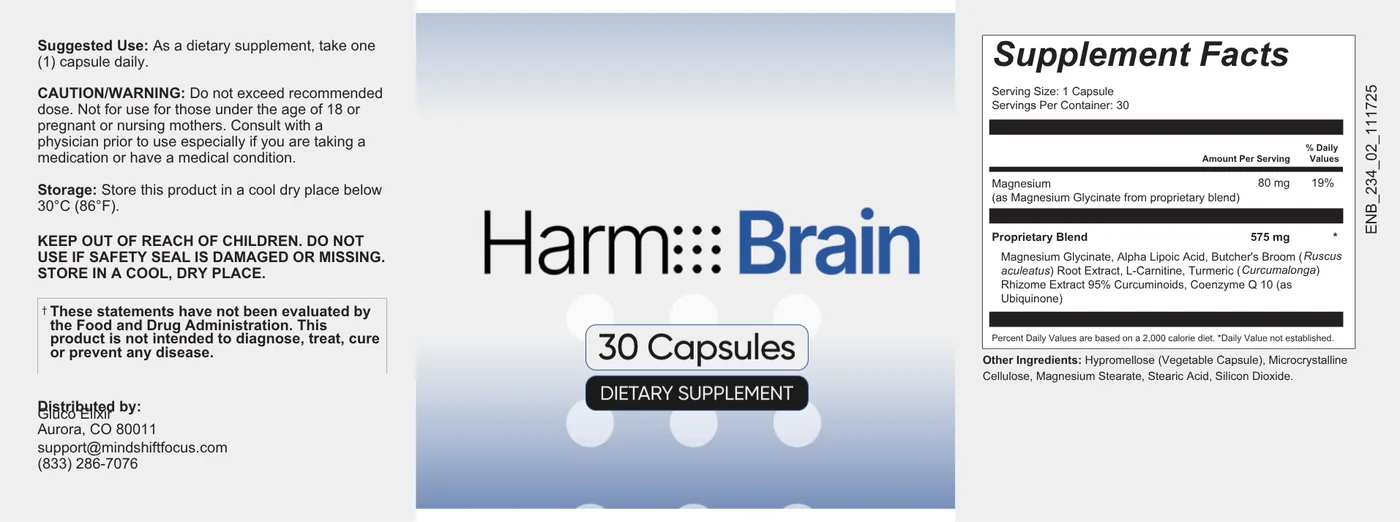
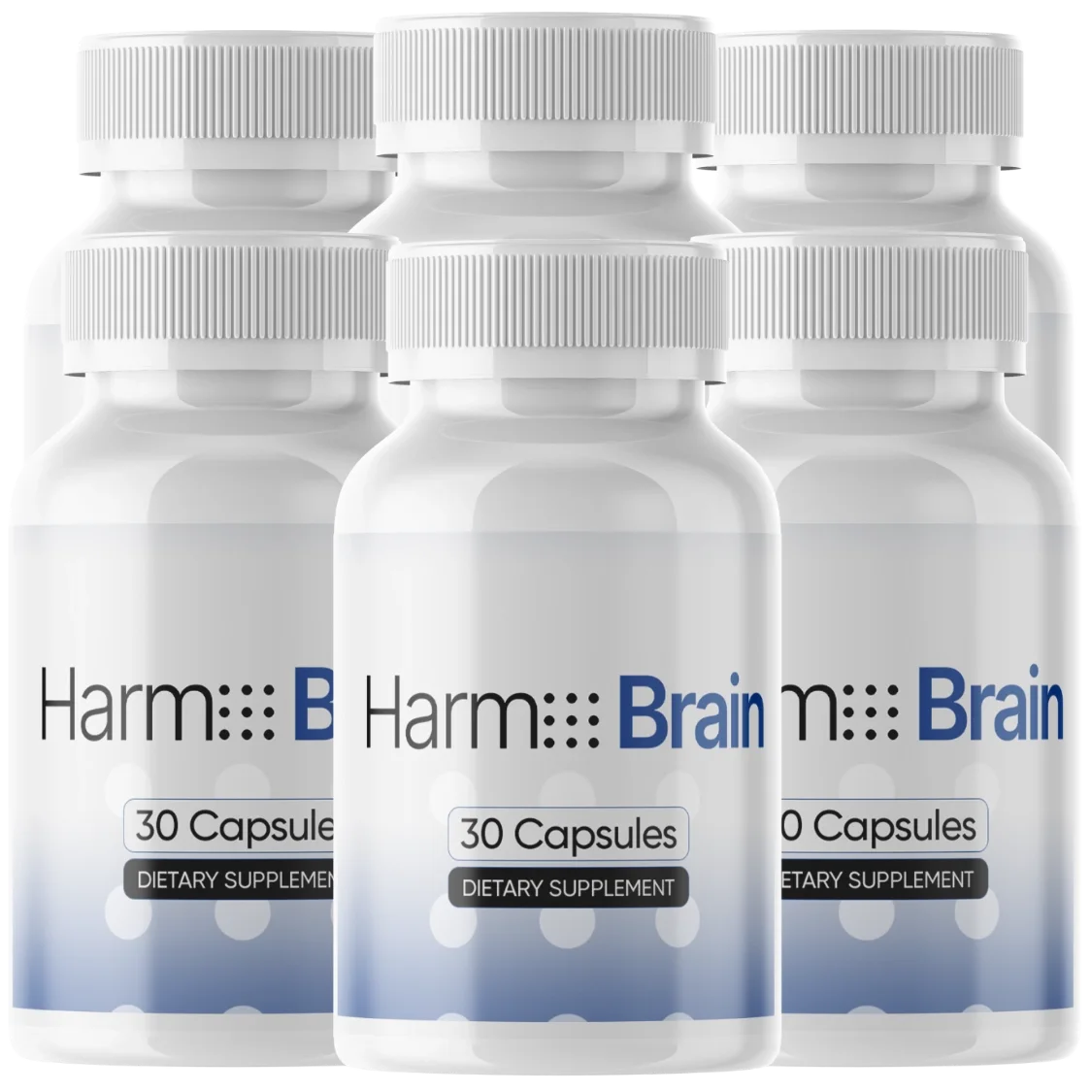
The panel itself, with the label artwork beside it, is on the Supplement Facts page.
Three rules that apply to every article here.
Each article starts from one line of the printed panel, and answers the question that line raises.
Every dose from a study is labelled as one, beside what the label prints, and never presented as the contents of a capsule.
When a study was run in people with a diagnosis, the article says so in the same sentence.
Six kinds of source, each used for the one thing it can show.
| Kind of source | Examples | What it is used for |
|---|---|---|
| The label | The Supplement Facts panel, the suggested use, the caution | What one capsule holds and who it is for |
| Government fact sheets | NIH Office of Dietary Supplements, NCCIH, MedlinePlus | Allowances, upper limits, food sources and medicine notes |
| University references | The Linus Pauling Institute | How an ingredient works, and what to monitor |
| Published research | Trials, reviews and case reports on PubMed | What each ingredient was studied for, in whom, and at what amount |
| Federal rules | 21 CFR 101.36, FDA and FTC guidance | How a panel is laid out and what a claim must meet |
| This desk's records | The review summary and order figures | What buyers here report, worded as this desk's, never as a product score |
For the category as a whole, start here.
The biology, the usual ingredients, the doses research used and how to read a proprietary blend, with this panel as the worked example. Read the guide.
Ten checks to run on any label in the category, from amounts and forms to seals, claims, the guarantee and the pack size. Read the checklist.
The Harmoebrain editorial desk, the same desk that writes every page on this website. Each article carries the Harmo Brain Team byline and a visible last-updated date.
Because the label is the one document printed on every bottle. Research explains why a name is on a label like this one; the panel says how much of it is in the capsule, and the notebook keeps the two apart.
Whenever a source changes or a reader sends a correction. The date at the head of each article moves forward when it is revised.
No. Each one ends with a note that Harmo Brain is a dietary supplement, not a medicine, and the interactions article is written to help a conversation with whoever prescribes your medicines, not to replace it.
Yes. Write to contact@Harmoebrain.com with the line of the label your question starts from. Questions about an order go to order support instead.
Harmoebrain is the USA Authorized Harmo Brain Retailer named at the top of this page, and this website earns on orders placed through it. That is why the label arithmetic, the three-star review and the medication notes are printed here in full: they are where our interest and yours could pull apart.
Order support on +1 (302) 200-3480 handles tracking, changes and refunds and is never a way to place an order; orders go through the checkout only.
One capsule a day, thirty to a bottle, with a 60-day money-back guarantee from purchase on every pack.
Pack prices are shown on the seller’s checkout before you pay · 60-day money-back guarantee from purchase · lot HAR-26/HA-3723